Sponsored article
The Use of the cardinal cassock in Various Liturgical Periods
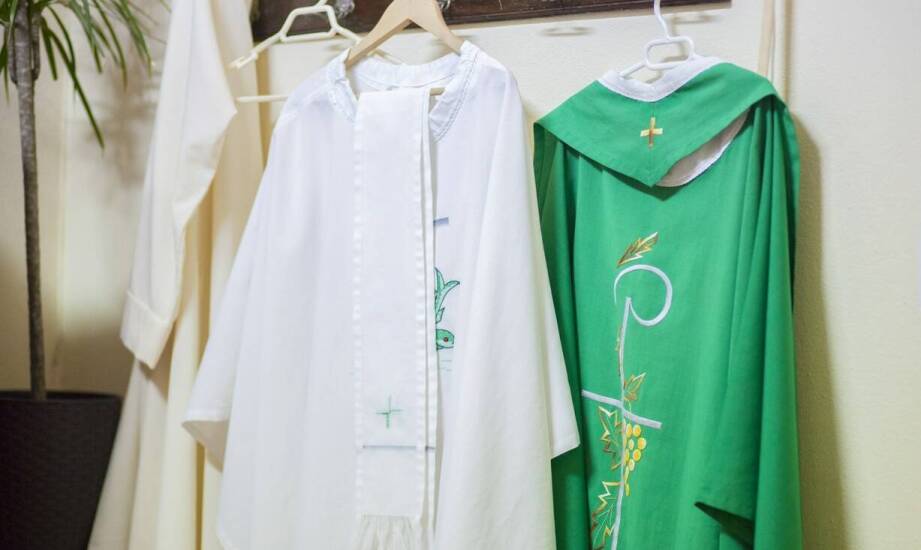
- Why does the cardinal cassock remain unchanged despite the variability of the liturgical year?
- How does the cardinal cassock function during Advent, Lent, and ordinary time?
- How does the quality of craftsmanship affect the liturgical and representative use of the cassock?
- Continuity of form and significance of the cardinal cassock throughout the liturgical year
The cardinal cassock is much more than an item of clerical attire – it is a symbol of the continuity of office, a sign of responsibility, and an expression of the Church's deeply rooted tradition. Its presence in the liturgical space, regardless of the changing periods of the church year, requires not only knowledge of regulations but also an awareness of the significance carried by its form, color, and quality of craftsmanship. Proper use of the cardinal cassock ensures consistency between the dignity of the office and the character of the celebration, highlighting the importance of the ministry and attention to detail.
Read more: What are the most common mistakes companies make in the context of DAC-7 regulations?
Why does the cardinal cassock remain unchanged despite the variability of the liturgical year?
The cardinal cassock serves as both an official clerical and choir garment, and its use is not directly dependent on the dynamics of the liturgical seasons. Unlike celebrant vestments, such as the Roman chasuble, which directly correspond to the theology of a given time of the church year, the cassock maintains a constant form and color that result from cardinal dignity. Its scarlet hue symbolizes readiness to witness faith and responsibility for the universal Church, regardless of whether it is a time of penance, joy, or routine service. In practice, this means that the cassock serves as a consistent base garment on which appropriate liturgical vestments are layered, directly adapted to the nature of the celebration being conducted.
How does the cardinal cassock function during Advent, Lent, and ordinary time?
In periods marked by special symbolism, such as Advent or Lent, changes in color and form pertain only to the liturgical vestments used during the Eucharist or services. The cardinal cassock remains the accompanying attire—worn during participation in liturgy, breviary prayer, or official church activities. This distinction is crucial for the proper interpretation of liturgical regulations: the cassock does not "replace" or interpret the liturgical season, but emphasizes the office's dignity. For this reason, its use is continuous and functional, while the variability of the church year is expressed through other elements of attire, in accordance with the Church's tradition and norms.
How does the quality of craftsmanship affect the liturgical and representative use of the cassock?
In practical terms, precision in craftsmanship and adherence to ecclesiastical norms are of great importance, as emphasized by renowned liturgical vestment suppliers, such as the manufacturer Ars Sacra. The cardinal cassock must meet both aesthetic and functional requirements, as it serves a representative function in public and sacred spaces. Carefully chosen fabrics, an appropriate cut, and consistency with traditional symbolism ensure that the cassock can be used throughout the liturgical year without violating sacred principles. Thus, it becomes not only an element of attire but also an expression of the continuity of office and the stability of the church hierarchy, independent of the changing liturgical seasons.
Continuity of form and significance of the cardinal cassock throughout the liturgical year
The cardinal cassock maintains its consistent use throughout the liturgical year because it arises from the dignity of the office, not the nature of individual periods. Regardless of a time of penance, joy, or ordinary time, it remains the cardinal's basic choir and representative garment, over which liturgical vestments suited to the specific celebration are layered. Changes in the symbolism of the church year are expressed through chasubles and accessories, while the cassock provides continuity, order, and clarity of hierarchy. Its proper use, based on tradition and liturgical norms, emphasizes the solemnity of service and attention to the consistency of form, meaning, and function in every liturgical situation.
You might be interested

The impact of team professionalism on customer satisfaction with meat products

Features of a good freight forwarder – road transport from and to Poland.

What are the most common mistakes companies make in the context of DAC-7 regulations?